If you are planning to improve your outdoor space, investing in Concrete Landscape Edging Services is one of the simplest ways to create a clean, polished look while increasing long-term durability. Concrete landscape edging has become a preferred choice for homeowners who want a balance of strength, style, and low maintenance without constantly replacing worn-out borders.
Concrete edging creates a continuous, solid border that clearly separates lawn areas from garden beds, walkways, and driveways. Unlike plastic or metal options that can shift over time, concrete provides a permanent structure that holds its shape and keeps your landscape design intact. This is especially important in Maryland, where seasonal changes like freezing winters and heavy rains can cause weaker materials to crack, lift, or move.
Another reason homeowners are choosing concrete edging is its versatility. It can be customised in different shapes, colours, and finishes to match the overall look of your property. Whether you prefer a subtle border or a more decorative curb style, concrete edging gives you the flexibility to enhance both modern and traditional landscapes.
Beyond appearance, it also reduces maintenance. With clearly defined edges, mowing becomes easier, weeds are less likely to spread between sections, and mulch or soil stays where it should. Over time, this not only saves effort but also helps maintain a consistently neat and professional-looking yard.
For Maryland homeowners looking for a smart, long-term upgrade, concrete landscape edging delivers both functional and aesthetic value without the ongoing hassle of frequent repairs or replacements.
What Is Concrete Landscape Edging?
Concrete landscape edging is a permanent border solution used to separate different areas of your outdoor space, such as lawns, garden beds, driveways, and walkways. Unlike temporary materials like plastic or metal strips, concrete edging is poured on-site to create a continuous, seamless barrier that stays in place for years without shifting or breaking apart.
This type of edging is often referred to as concrete curbing. It is designed to follow the natural shape of your landscape, allowing for smooth curves, straight lines, or custom patterns depending on your property layout. Because it is installed as a solid structure, it provides a clean and defined edge that enhances the overall appearance of your yard.
One of the key advantages of concrete landscape edging is its strength. Once it is properly installed and cured, it can withstand heavy weather conditions, foot traffic, and routine lawn maintenance without losing its shape. This makes it especially useful for homeowners who want a long-term solution rather than something that needs frequent replacement.
In addition to durability, concrete edging is highly customisable. It can be stamped, coloured, or textured to match the style of your home and landscape design. Whether you want a simple, natural finish or a decorative curb look, concrete offers flexibility that most other edging materials cannot provide.
Overall, concrete landscape edging is both a functional and aesthetic upgrade. It helps maintain clear boundaries in your yard while improving the overall structure and visual appeal of your outdoor space.
Why Maryland Homeowners Are Choosing Concrete Edging
Maryland homeowners are increasingly choosing concrete landscape edging because it performs well in the region’s changing weather conditions while keeping outdoor spaces looking clean and structured. With a mix of hot summers, heavy rainfall, and freezing winters, many traditional edging materials struggle to hold up over time. Concrete, on the other hand, offers a more stable and long-lasting solution that doesn’t shift or deteriorate as easily.
One of the main reasons for this shift is durability. Seasonal freeze-thaw cycles can cause plastic or metal edging to crack, bend, or lift out of the ground. Concrete edging is installed as a continuous border, which helps it stay firmly in place even when the soil expands and contracts. This makes it a reliable option for maintaining a consistent landscape design throughout the year.
Another factor is the growing focus on low-maintenance landscaping. Homeowners want outdoor spaces that look well-kept without requiring constant repairs or adjustments. Concrete edging reduces the need for frequent upkeep by preventing grass from spreading into garden beds and keeping mulch or soil contained. This means less time fixing edges and more time enjoying the space.
Aesthetic appeal also plays a big role. Many properties in Maryland are designed with a strong emphasis on curb appeal, and clean, defined borders can make a noticeable difference. Concrete edging creates a polished transition between different areas of the yard, giving the entire landscape a more organised and professional look.
Finally, homeowners are thinking long-term. Instead of replacing cheaper materials every few years, they are investing in solutions that add lasting value to their property. Concrete edging not only improves the appearance of a home but also supports a more durable and efficient landscape design, making it a practical upgrade for both residential and commercial properties.
Key Benefits of Concrete Landscape Edging
Concrete landscape edging is more than just a visual upgrade. It provides practical advantages that make maintaining and enhancing your outdoor space much easier over time. For Maryland homeowners dealing with changing weather and ongoing yard maintenance, these benefits make a noticeable difference.
Durability That Lasts for Years
One of the biggest advantages of concrete edging is its long lifespan. Unlike plastic or metal options that can bend, crack, or shift, concrete forms a solid, continuous border that stays in place. Once installed properly, it can handle temperature changes, moisture, and regular wear without losing its structure. This makes it a reliable solution for homeowners who want something that holds up year after year.
Clean, Defined Landscape Look
Concrete edging creates a sharp, professional boundary between different areas of your yard. Whether it is separating grass from garden beds or outlining a driveway, it gives your landscape a more organised and finished appearance. These clean lines improve the overall design and help your property stand out, especially from the street.
Low Maintenance Solution
Maintaining your yard becomes much easier with concrete edging in place. It prevents grass from creeping into flower beds and keeps mulch, soil, and decorative stones contained. This reduces the amount of trimming and clean-up needed on a regular basis. Over time, this means less effort spent on upkeep and more consistent results.
Increases Property Value
A well-defined landscape can positively impact how your property is perceived. Concrete edging enhances curb appeal by giving your outdoor space a neat and structured look. For homeowners thinking about resale in the future, these small but impactful improvements can make the property more attractive to potential buyers. It shows that the landscape has been thoughtfully designed and properly maintained.
Overall, concrete landscape edging offers a strong combination of durability, functionality, and visual appeal. It is a practical upgrade that not only improves how your yard looks but also simplifies how it is maintained.
Concrete Edging vs Other Landscape Edging Options
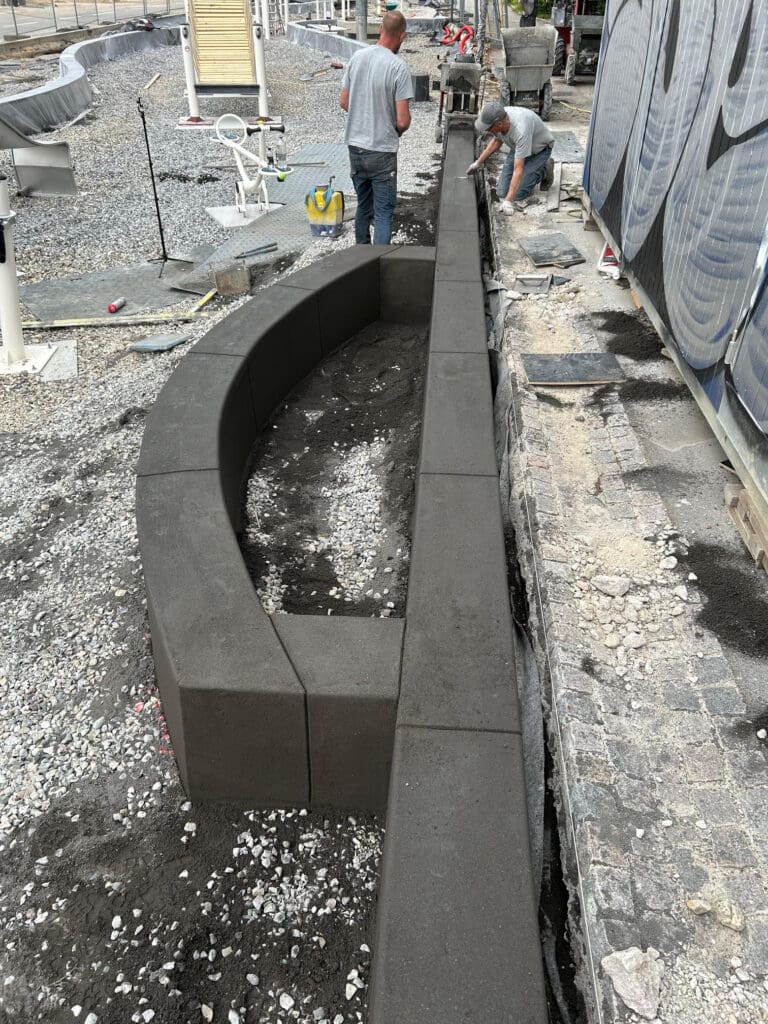
When choosing the right material for your landscape, it’s important to look beyond initial cost and focus on long-term performance. Concrete edging stands out because it offers a balance of durability, appearance, and low maintenance that many other materials struggle to match.
Concrete vs Plastic Edging
Plastic edging is often chosen because it is inexpensive and easy to install. However, it tends to bend, crack, or shift over time, especially in areas with temperature changes like Maryland. Soil movement and pressure from roots can easily push it out of place, leading to uneven borders. In contrast, concrete edging is installed as a continuous structure, which helps it stay stable and maintain its shape for years without frequent adjustments.
Concrete vs Metal Edging
Metal edging provides a clean and modern look, but it comes with its own limitations. It can rust over time, particularly in areas exposed to moisture, and may require regular maintenance to keep it looking good. Sharp edges can also become a concern in residential settings. Concrete edging eliminates these issues by offering a solid, smooth finish that does not corrode and is safer for everyday use.
Midway through comparing materials, many homeowners turn to trusted resources like This Old House to better understand how different edging options perform in real-world conditions. These comparisons often highlight how durability and maintenance play a key role in long-term satisfaction.
Concrete vs Brick or Paver Edging
Brick or paver edging can add a decorative touch, but it requires precise installation and ongoing upkeep. Individual pieces can shift, sink, or separate over time, especially with ground movement and weather changes. Weeds can also grow between joints, which adds to maintenance. Concrete edging avoids these issues by forming a seamless border that stays intact and keeps unwanted growth under control.
Long-Term Value Comparison
While concrete edging may have a higher upfront cost compared to some alternatives, it often proves more cost-effective in the long run. Materials like plastic or metal may need replacement or repairs within a few years, whereas concrete can last significantly longer with minimal maintenance. For homeowners looking for a dependable and lasting solution, concrete edging offers better overall value.
In the end, the choice comes down to priorities. If you want a quick, short-term fix, other materials may work. But if your goal is a durable, low-maintenance, and visually appealing landscape, concrete edging stands out as the stronger investment.
Ideal Applications for Concrete Edging in Maryland Properties
Concrete landscape edging is a versatile solution that works well across different types of outdoor spaces. Whether you are improving a residential yard or upgrading a commercial property, it helps create structure, improve functionality, and maintain a clean overall appearance.
One of the most common uses is around garden beds. Concrete edging clearly separates planting areas from the lawn, keeping soil and mulch contained while preventing grass from spreading into flower beds. This not only protects your plants but also reduces the amount of trimming and maintenance required.
It is also widely used along driveways and walkways. In these areas, edging provides a strong boundary that prevents gravel, soil, or grass from encroaching onto paved surfaces. It helps maintain neat edges and gives pathways a more finished and professional look, which improves both usability and visual appeal.
For larger properties, concrete edging is ideal for defining lawn sections and open landscape areas. It creates smooth transitions between different zones, making the entire yard feel more organised. This is especially useful for properties with multiple design elements, such as patios, lawns, and planting areas.
Concrete edging also works well in commercial landscapes, where durability and low maintenance are essential. Office buildings, retail spaces, and public areas benefit from its long-lasting structure and clean appearance. It helps maintain a consistent look without the need for frequent repairs, which is important for high-traffic environments.
Overall, concrete landscape edging can be applied in a variety of ways to improve both the function and design of a property. Its ability to adapt to different layouts and withstand regular use makes it a practical choice for homeowners and businesses across Maryland.
How Concrete Landscape Edging Is Installed
Concrete landscape edging is installed through a structured process that ensures strength, durability, and a clean finish. While the final result looks simple, proper installation is what determines how well the edging performs over time.
The process begins with ground preparation. The area where the edging will be placed is carefully marked and cleared. This includes removing grass, roots, and debris to create a stable base. A shallow trench is then formed to guide the shape and alignment of the edging.
Next comes the forming stage. A specialised machine or hand-forming method is used to shape the concrete along the planned path. This allows for smooth curves or straight lines depending on the design. The continuous forming process is what gives concrete edging its seamless appearance, without gaps or weak points.
Once the shape is set, the concrete is poured and levelled. At this stage, professionals ensure the height and thickness are consistent throughout the installation. This step is critical because uneven edging can affect both appearance and durability.
Midway through the installation process, understanding the quality and composition of concrete becomes important. Industry resources like Portland Cement Association provide insights into proper concrete standards and why correct mixing and curing play a key role in long-term performance.
After pouring, the surface is finished and detailed. This may include smoothing the edges, adding texture, or applying colour to match the landscape design. Decorative finishes can be customised to suit different property styles.
The final step is curing, where the concrete is left to harden and gain strength. Proper curing ensures the edging reaches its full durability and resists cracking over time. Once this process is complete, the edging becomes a solid, long-lasting part of the landscape.
When done correctly, concrete landscape edging provides a seamless and durable border that enhances both the structure and appearance of your outdoor space.
Cost of Concrete Landscape Edging in Maryland
The cost of concrete landscape edging in Maryland can vary depending on several factors, but it is generally considered a worthwhile long-term investment rather than a short-term expense. Homeowners who focus only on upfront pricing often overlook the durability and reduced maintenance costs that make concrete edging more cost-effective over time.
One of the main factors influencing cost is the size of the project. Larger properties or areas with extensive edging requirements will naturally require more materials and labour. The design complexity also plays a role. Straight edges are typically more affordable, while curved or decorative patterns may increase the overall price due to additional time and precision during installation.
Another important factor is customisation. Concrete edging can be coloured, stamped, or textured to match the style of your landscape. While these enhancements improve visual appeal, they can also add to the overall cost. However, many homeowners find that the improved curb appeal justifies the added investment.
Ground preparation is another element that affects pricing. If the installation area requires significant clearing, levelling, or soil adjustment, this can increase labour costs. Proper preparation is essential to ensure the edging remains stable and durable over time, so it is not an area where shortcuts should be taken.
In Maryland, homeowners can expect concrete landscape edging to be priced higher than basic plastic or metal options initially. However, those cheaper alternatives often require repairs or replacement within a few years. Concrete edging, when installed correctly, can last much longer with minimal upkeep, making it a more economical choice in the long run.
Ultimately, the total cost depends on your property size, design preferences, and installation requirements. For homeowners looking to balance quality, durability, and visual appeal, concrete landscape edging offers strong value and a reliable return on investment over time.
Why Hiring a Professional Matters
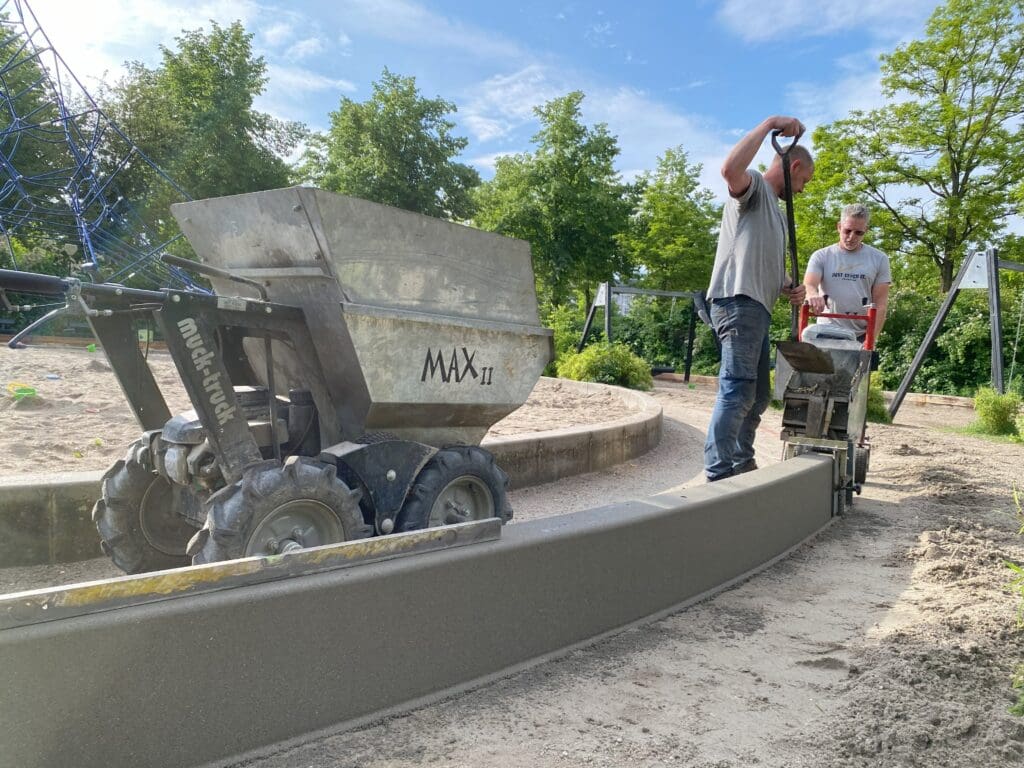
While some homeowners consider installing landscape edging themselves, concrete edging is not a typical DIY project. It requires the right equipment, proper technique, and experience to ensure the final result is both durable and visually consistent. Hiring a professional helps avoid common mistakes that can lead to uneven edges, cracks, or premature failure.
One of the main advantages of working with a professional is precision. Concrete edging needs to be shaped and levelled correctly during installation. Even small errors in alignment or thickness can affect both appearance and long-term performance. Professionals use specialised tools and proven methods to create smooth, consistent edges that follow the natural flow of your landscape.
Another key factor is material quality and handling. The strength of concrete depends on proper mixing, timing, and curing. If any step is rushed or done incorrectly, the edging may weaken over time. Experienced contractors understand how to manage these details to ensure the concrete sets properly and maintains its durability in different weather conditions.
Safety and efficiency also play a role. Concrete installation involves heavy materials and equipment, which can be difficult to manage without the right skills. A professional team can complete the job more efficiently while maintaining safety standards, reducing the risk of damage to your property or injury during the process.
In addition, hiring a professional ensures a clean and finished look. From initial layout to final detailing, experienced installers pay attention to every stage of the project. This results in edging that not only performs well but also enhances the overall appearance of your outdoor space.
For homeowners who want a long-lasting, low-maintenance solution, working with a professional is the most reliable way to achieve high-quality results without unnecessary complications.
Conclusion: Upgrade Your Landscape with Concrete Edging
Concrete landscape edging offers a practical and long-lasting way to improve both the appearance and functionality of your outdoor space. From creating clean, defined borders to reducing maintenance and increasing durability, it provides clear advantages over traditional edging materials. For Maryland homeowners dealing with changing weather conditions, it is a reliable solution that continues to perform year after year.
Beyond its strength, concrete edging also enhances curb appeal. A well-structured landscape not only looks more organised but also adds value to your property. Whether you are updating a residential yard or improving a commercial space, this type of edging helps create a polished and professional finish that stands out.
It also simplifies ongoing maintenance. With clearly defined edges in place, you spend less time managing overgrown grass, shifting materials, or uneven borders. This allows you to maintain a neat and consistent landscape with less effort, making it a smart choice for long-term convenience.If you are ready to upgrade your outdoor space, exploring Landscape Edging in Potomac MD is a great next step to see how professional installation can transform your property with durable and visually appealing results.